


What Is
Gambling Disorder?
According to the World Health Organization’s International Classification of Diseases (ICD-11), gambling disorder is classified among disorders due to addictive behaviors and is characterized by:
• Impaired control over gambling behavior, including its onset, frequency, intensity, duration, termination, and context.
• Increasing priority given to gambling over other interests and daily activities.
• Continuation or escalation of gambling despite negative consequences.
Patterns of gambling behavior may be continuous or episodic, but are generally recurrent. For a diagnosis of gambling disorder to be made, the characteristics described above must typically be evident over a period of at least 12 months. However, where all diagnostic requirements are met and symptoms are severe, a diagnosis may be assigned even if the duration is shorter. In recent years, gambling disorder has increasingly been associated with online gambling activities as internet use has become more widespread.
Although gambling disorder was long classified in psychiatry as an impulse control disorder, it is now categorized among disorders due to addictive behaviors. The condition is often characterized by gambling with increasingly larger amounts of money, unsuccessful attempts to reduce or stop gambling, persistent preoccupation with gambling, prioritizing gambling over other interests and daily activities, and continuing to gamble despite adverse consequences or an increasing motivation to gamble.
The Diagnostic and Statistical Manual of Mental Disorders (DSM-5) defines gambling disorder as persistent and recurrent problematic gambling behavior that leads to clinically significant distress or impairment, as indicated by four or more of the following criteria occurring within a 12-month period:
- A need to gamble with increasing amounts of money in order to achieve the desired level of excitement.
- Restlessness or irritability when attempting to cut down or stop gambling.
- Repeated unsuccessful efforts to control, cut down, or stop gambling.
- Frequent preoccupation with gambling, such as reliving past gambling experiences, planning the next gambling activity, or thinking about ways to obtain money for gambling.
- Gambling frequently when experiencing distress, such as feelings of helplessness, guilt, or anxiety.
- Returning to gamble another day in an attempt to recover losses (“chasing” losses).
- Lying to conceal the extent of gambling involvement.
- Jeopardizing or losing a significant relationship, educational opportunity, or employment because of gambling.
- Relying on others for financial assistance to relieve financial problems caused by gambling.
Managing Gambling Urges
- Individuals who experience urges to gamble may benefit from the following strategies:
- Avoid places where gambling takes place and online gambling platforms.
- Limit exposure to gambling-related triggers, such as horse-racing programs, casino advertisements, lottery tickets, and similar materials.
- Avoid spending time with people who regularly engage in gambling activities.
- Refrain from participating in conversations or discussions focused on gambling.
- Carry only the amount of money needed for daily expenses and avoid using credit cards or debit cards unless necessary.
- Make positive lifestyle changes and replace unhealthy habits with healthier behaviors.
- Individuals experiencing gambling-related problems, as well as family members concerned about a loved one's gambling behavior, should seek professional support and avoid delaying treatment.
- Seek support from a trusted family member, friend, or another supportive person.
- Staying engaged in alternative activities is important. Redirecting attention to other pursuits, such as household tasks, exercise may be helpful.
How Can I Help?
- Establish limits on access to money or take responsibility for household finances to help reduce opportunities for gambling.
- Be prepared for situations in which the person may seek money through pleading, threats, or manipulation, and develop strategies for responding appropriately.
- Seek professional support for both yourself and the person experiencing gambling-related problems to help cope with the situation and support recovery.
THE ADDICTION CYCLE
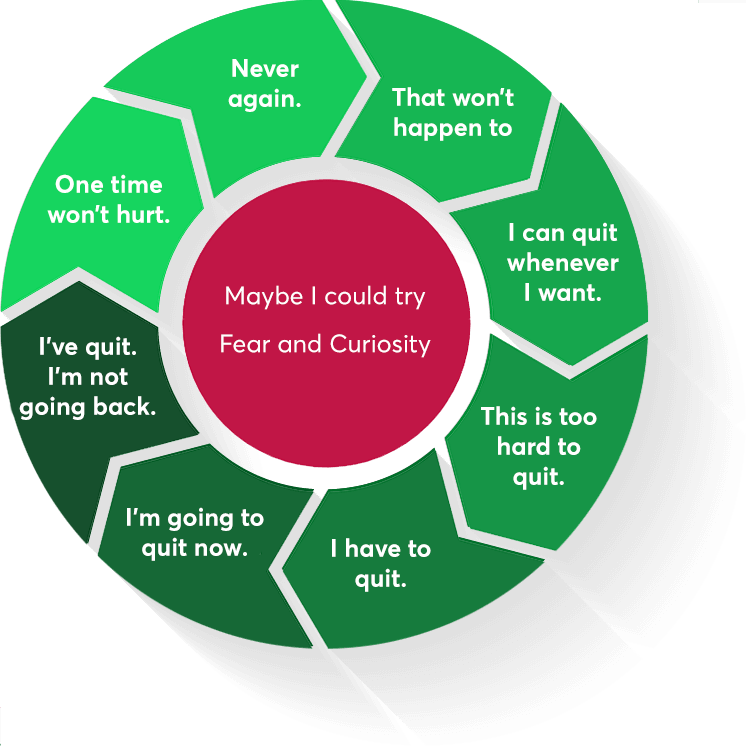
Risk Factors
1. Individuals experiencing gambling-related problems often hope to recover their losses through further gambling. When this does not occur, they may attempt to conceal their behavior and financial losses through deception.
2. In an effort to obtain money for gambling, some individuals may engage in unlawful activities such as fraud, theft, embezzlement, or other illegal acts.
3. Gambling behavior may jeopardize or result in the loss of important relationships, employment opportunities, or educational prospects.
4. Individuals who realize that they are unable to recover their losses may experience severe emotional distress, depression, and, in some cases, suicide attempts.
Treatment and Recovery
Gambling disorder can be considered a public health concern because of its significant impact not only on the individual but also on families and communities.
Effective treatment is available. As treatment approaches for gambling disorder often draw on models used in the treatment of substance use disorders, individuals may be referred to specialist substance use disorder treatment services.
Positive outcomes are possible with a treatment plan tailored to individual needs. An important first step is recognizing that gambling disorder is a health condition that requires professional support.
What Factors May Contribute to Gambling Disorder?
According to the American Psychiatric Association, people may engage in gambling for a variety of reasons. Common factors include:
- Seeking excitement or entertainment.
- A desire for action or stimulation.
- Escaping unwanted thoughts or emotions.
- Attempting to suppress difficult emotions.
- A need for social connection.
What Are the Harms Associated with Gambling Disorder?
Gambling disorder can have financial, relational, emotional, psychological, cultural, and occupational consequences for individuals, families, and communities. It may also pose risks from a public health perspective and increase the likelihood of involvement in unlawful behaviors. According to the American Psychiatric Association, people experiencing gambling disorder often conceal their gambling behavior from those around them, particularly family members. When they experience financial difficulties, they seek help from others rather than their families. The Association also notes that, similar to individuals with alcohol or substance use disorders, they may resort to dishonesty to conceal their behavior.
In addition, gambling disorder may be associated with a range of psychological difficulties, financial losses, and involvement in unlawful situations, which may lead to behaviors that could be considered criminal offences (Güriz, Ekinci & Türkçapar, 2012).
Children and Adolescents at Risk
Research published by the UK Gambling Commission in 2021 indicates that children and young people may be at risk of developing gambling-related problems. Even when they do not gamble directly, children and adolescents may be exposed to gambling in their environment or spend time with people who engage in gambling. Exposure to gambling at an early age may increase the likelihood of gambling later in life. Family members and peers play a particularly important role in shaping attitudes and behaviors related to gambling.
The Commission also notes that young people who gain financial independence and begin living away from their families may be more likely to engage in gambling and experience related harms. The desire for independence and a greater tendency toward risk-taking during adolescence may also contribute to gambling initiation.
Research further indicates that gambling-related problems often emerge during adolescence and young adulthood, and gambling behaviors that begin during these periods are associated with an increased risk of alcohol and substance use disorders, mental health conditions, and social difficulties (Burge, Pietrzak & Petry, 2006:270).
Did You Know?
According to the World Health Organization:
- The prevalence of gambling disorder among adults ranges from 0.1% to 5.8%. Approximately 350 million people worldwide experience problematic gambling behaviors each year.
According to the American Psychiatric Association:
- Males tend to begin gambling at an earlier age than females.
- Individuals experiencing gambling disorder may express thoughts of suicide or talk about suicide. It is important to take such statements seriously and encourage the individual to seek professional support.
References and Resources
For more information on the topics covered on this website, please see the sources below:
- American Psychiatric Association (2014). Desk Reference to the Diagnostic Criteria From DSM-5 (DSM-5 Tanı Ölçütleri Başvuru El Kitabı, Turkish translation by E. Köroğlu). Ankara: Hekimler Yayın Birliği.
- 101 Questions About Addiction (2019). [Link: 101 Soruda Bağımlılık | Yeşilay (yesilay.org.tr)]
- American Psychological Association (2021). Gambling disorder. [Link: https://dictionary.apa.org/gambling-disorder].
- American Psychiatric Association (APA) (2021). What is gambling disorder? [Link: https://www.psychiatry.org/patients-families/gambling-disorder/what-is-gambling-disorder]
- Gambling Comission (UK) (2021). Gambling Commission publishes new research which explores the gambling journeys and behaviours of young people. [Link: https://www.gamblingcommission.gov.uk/news/article/gambling-commission-publishes-new-research-which-explores-the-gambling]
- World Health Organisation (2021). Addictive behaviours. [Link: https://www.who.int/health-topics/addictive-behaviours#tab=tab_2]
- World Health Organisation ICD-11 for Mortality and Morbidity Statistics (2021). Disorders due to addictive behaviours.
- World Health Organisation ICD-11 for Mortality and Morbidity Statistics (2021). Gambling disorder.
- Desk Reference to the Diagnostic Criteria From DSM-5