
Green Crescent: A Pathway to Addressing Gambling Addiction
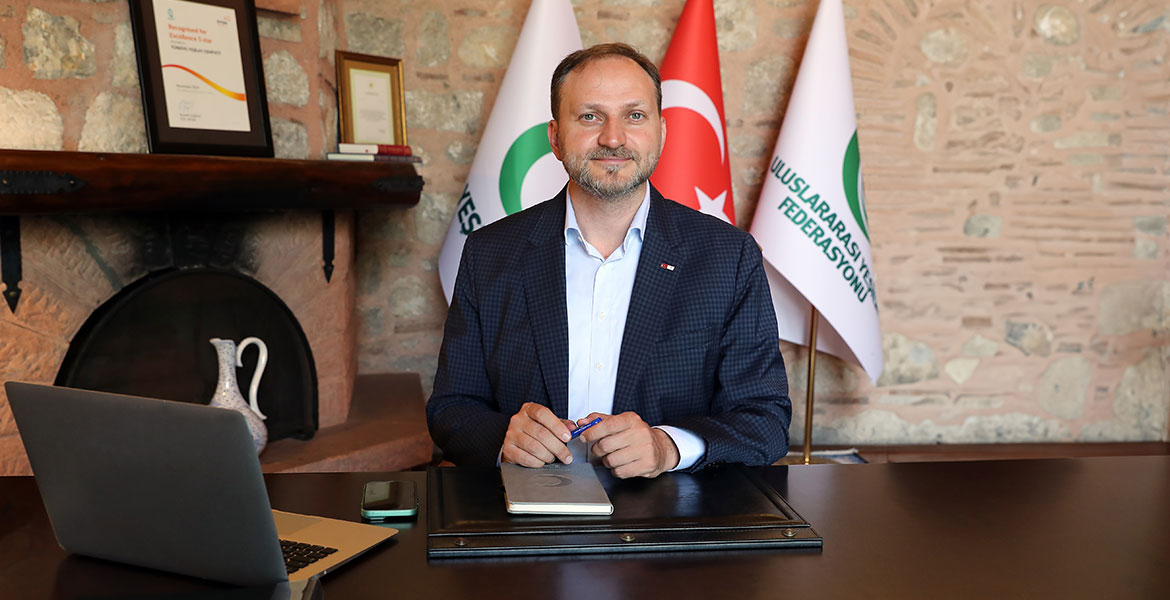
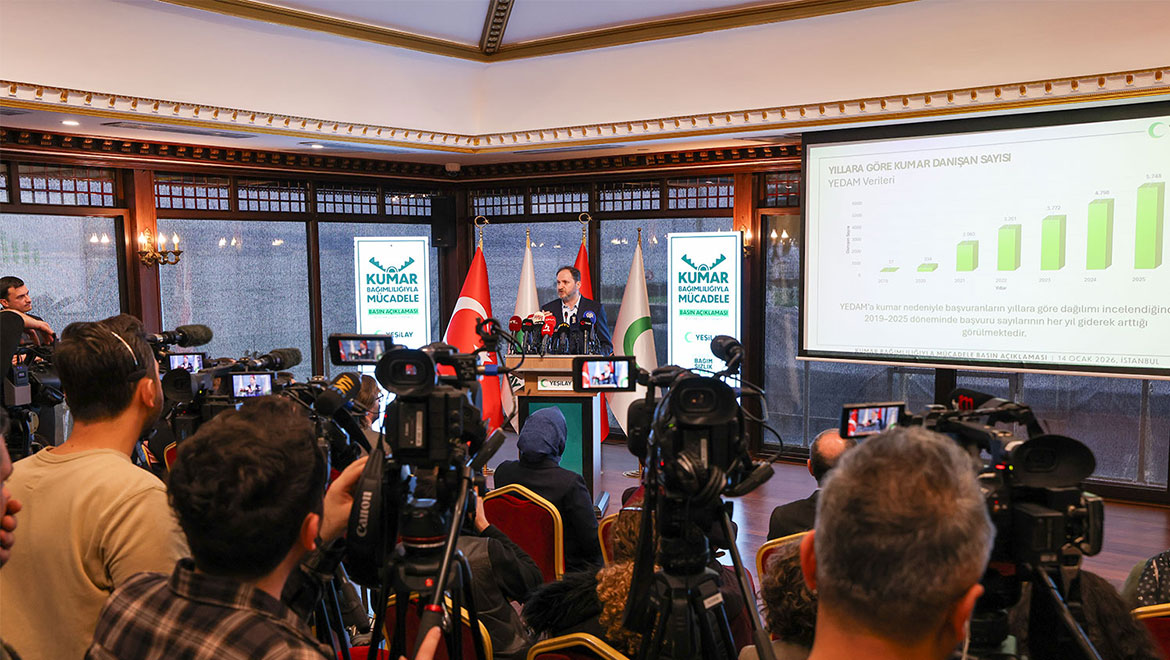
In response to the rapid growth of online gambling in recent years, the Turkish Green Crescent Society convened a press conference to share up-to-date data and evidence-based recommendations on gambling addiction. Speaking at the event, Green Crescent President Assoc. Prof. Mehmet Dinç, PhD, emphasized that eight out of ten individuals who consistently engage in psychotherapy are able to disengage from gambling behaviors, and invited anyone experiencing gambling-related problems to seek support through Green Crescent services.
According to data shared by the Green Crescent Counseling Centers (YEDAM), applications related to gambling have increased steadily in recent years, rising from 3,006 in 2022 to 3,552 in 2023, 4,798 in 2024, and 5,748 in 2025. Age distribution data show that 36.7% of applicants were between the ages of 20 and 30, 43.4% were aged 30–40, and 15.4% fell within the 40–50 age group. Individuals under the age of 20 accounted for 1.1% of applications, while those aged 50 and above collectively represented less than 3%. Data on the age of first exposure further underscore how early the risk can begin. Among those receiving support, 34.3% reported first encountering gambling before the age of 18, 42.8% between the ages of 18 and 25, and 22.7% after the age of 25.
YEDAM data also show that social circles play a key role in the onset of gambling behavior. While 57.4% of applicants reported starting gambling due to peer pressure, 20% cited curiosity, and 6.5% reported gambling primarily as a way to pass the time.
“A Call to the Public”
Speaking at the press briefing, Associate Professor Mehmet Dinç stated that preventing gambling addiction requires broad public engagement and coordinated action across Society. He then outlined Green Crescent’s recommendations under five main points.
There should be no distinction between legal and illegal gambling. Referring to gambling as “chance,” “luck,” or “betting” does not make it any less harmful, and a shared understanding of this reality is essential. Gambling advertisements should be prohibited, and access to gambling should be restricted by limiting access channels and strengthening regulatory safeguards. The relationship between gambling and digital gaming should be closely examined, and an effective, age-appropriate content rating and oversight system should be introduced. Strong regulatory action should be taken against content that promotes gambling, including content shared by social media influencers and content distributed through both legal and illegal film and digital streaming platforms.
“ Eight Out of Ten Individuals Achieve Positive Outcomes with Professional Support”
Assoc. Prof. Dinç emphasized that, in addition to individual support services, prevention-focused efforts and structural measures must be strengthened to prevent addiction:
“This includes expanding education programs for young people, preventing gambling advertisements, strengthening oversight of online platforms, enhancing support mechanisms to address debt and financial strain, and engaging families more actively in the process. When addressed together, these measures can significantly reduce addiction-related harms and the psychological risks that often accompany them”.
Concluding his remarks with a message to the public, Dinç stated:
“Gambling addiction is not a hopeless condition. We observe that eight out of every ten individuals who apply to us and consistently continue psychotherapy are able to move away from gambling with the support they receive. At Green Crescent, we continue to emphasize one core message: addiction is not a matter of willpower; it is a treatable health condition. Early support, understanding, and professional help can truly change lives.”
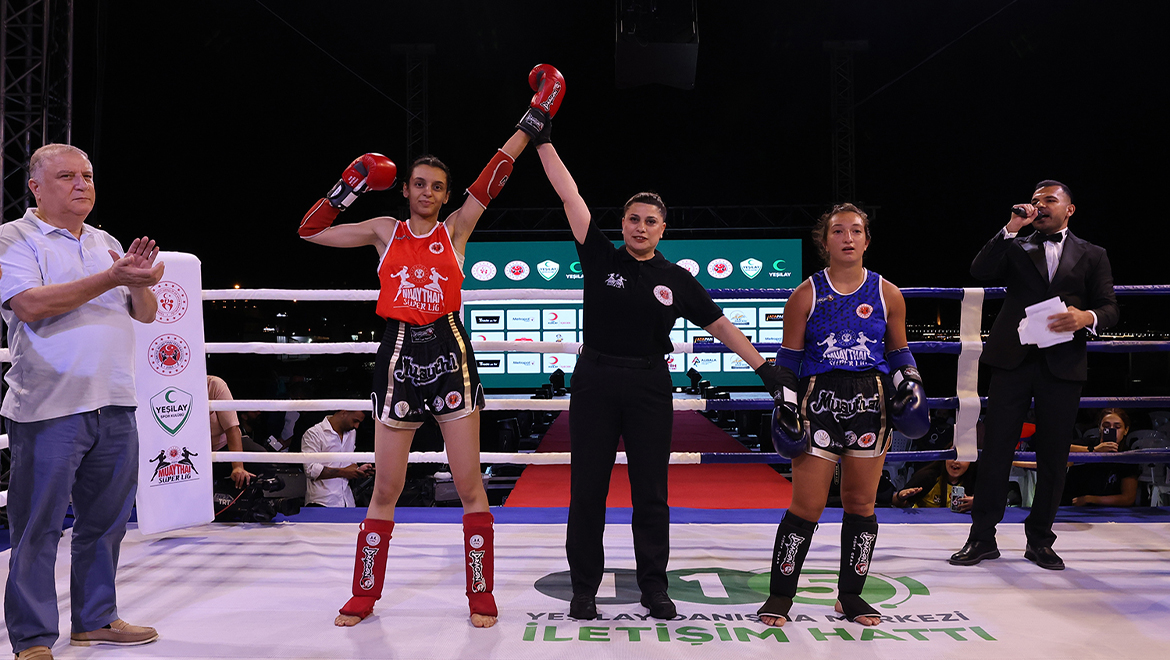
Dinç also reminded the public that individuals seeking support for gambling addiction and related psychological difficulties can access free and confidential support nationwide through the YEDAM Counseling Hotline at 115.