
Green Crescent Report Highlights Environmental Impact of Addiction Ahead of COP31
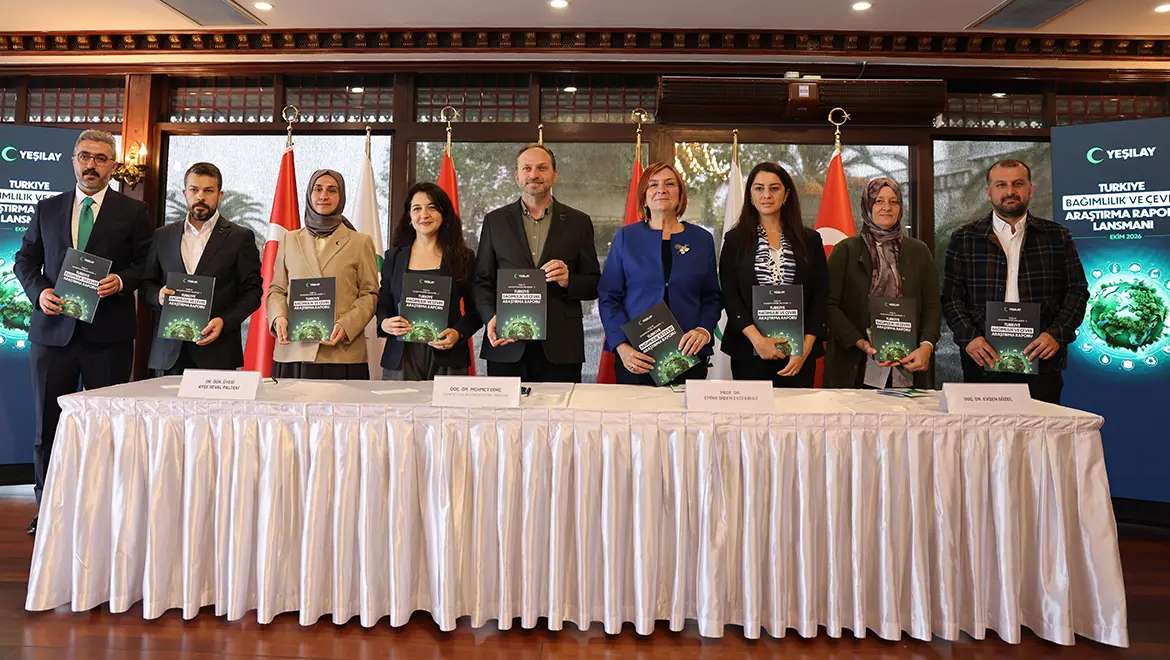
The Turkish Green Crescent Society has released a report titled Türkiye Addiction and Environment Research Report, examining the far-reaching effects of addiction on human health, the environment, and ecosystems. At the report launch, the Society presented findings on the environmental costs of addiction industries and a study conducted at seven wastewater treatment plants across Türkiye.
The report was unveiled on October 26, 2026, at Sepetçiler Pavilion in Istanbul. The launch event was attended by Assoc. Prof. Mehmet Dinç, President of the Turkish Green Crescent Society; Prof. Emine Didem Evci Kiraz of Aydın Adnan Menderes University; Asst. Prof. Ayşe Seval Palteki of Bahçeşehir University; and Assoc. Prof. Evşen Güzel of Çukurova University.
The report examines the environmental impact of activities related to tobacco, alcohol, drugs and stimulants, gambling, and digital addictions. It also explores how climate change may affect mental health and increase the risk of addiction, highlighting the interconnected nature of environmental challenges and addiction. The findings show that some psychoactive substances can persist in water even after wastewater treatment.
ADDICTION HARMS NOT ONLY PEOPLE BUT ALSO THE NATURAL WORLD
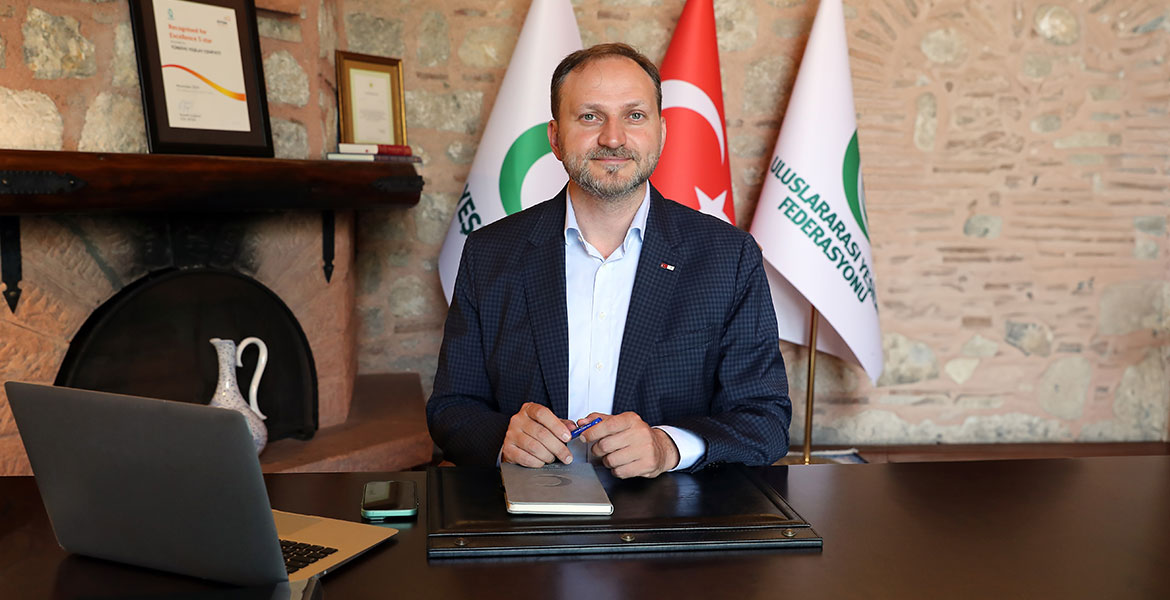
Speaking at the event, Turkish Green Crescent Society President Assoc. Prof. Mehmet Dinç stressed that the impact of addiction extends far beyond the individual, affecting society as a whole.
“Addiction is not simply about one person harming themselves. Its effects extend far beyond the individual, causing serious harm to society as a whole. Our research provides compelling evidence of this. We see that addiction affects not only people but also birds in the sky, fish in the water, trees in the forest, and flowers in the fields. In other words, addiction harms individuals, society, and the natural world. Addiction, therefore, is not just an individual or social issue; it is also an ecological one. As people who share responsibility for the world we live in, we must recognize the impact of addiction on global warming and environmental pollution, as well as the threats it poses to the survival of other living beings and the preservation of biodiversity. Water consumption is another major concern. Waste entering the environment can contaminate soil, water, and plants, creating serious environmental problems,” he said.
Dinç also called for addiction industries to regularly report their carbon footprints, water consumption, and waste generation. “We believe that addiction prevention efforts must also take environmental protection and climate change into account. Addiction prevention should be integrated into environmental and sustainable development policies. Training programs should also place greater emphasis on environmental health and climate change, while taking a comprehensive look at how these issues affect addiction risks,” he said.
TOBACCO INDUSTRY EMITS APPROXIMATELY 80 MILLION METRIC TONS OF CARBON DIOXIDE ANNUALLY
According to the World Health Organization (WHO), as cited in the report, tobacco production and consumption release approximately 80 million metric tons of carbon dioxide into the environment each year. This is equivalent to the annual emissions of around 17 million gasoline-powered cars.
Globally, tobacco cultivation uses around 3.2 million hectares of agricultural land and consumes an estimated 22 billion tons of water annually. Tobacco production is also associated with 5 percent of global deforestation. Türkiye's annual consumption of 150.4 billion cigarettes adds to the environmental toll of discarded cigarette butts.
The report also examines the impact of alcohol production on water and energy consumption. Producing one liter of an alcoholic beverage requires between 9 and 22 liters of water. Drug and stimulant production, meanwhile, is associated with deforestation, habitat loss, and chemical waste. Research in Europe indicates that producing one kilogram of synthetic drugs generates approximately 25 to 43 kilograms of chemical waste.
SOME PSYCHOACTIVE SUBSTANCES REMAIN IN WATER EVEN AFTER TREATMENT
A key part of the report is the Study on the Environmental Impact of Psychoactive Substances in Wastewater, led by the Turkish Green Crescent Society. The study analyzed 98 samples collected from seven wastewater treatment plants in Istanbul, İzmir, Antalya, Adana, Hatay, Samsun, and Trabzon.
The study examined metabolites of nine different psychoactive substances and assessed the effectiveness of wastewater treatment processes. The findings showed that biological treatment plays an important role in removing psychoactive substances from wastewater. At facilities using biological treatment, removal rates ranged from 82 to 100 percent. The rates were considerably lower at the facility without biological treatment.
MDMA was identified as one of the most difficult substances to remove. Even at facilities using biological treatment, MDMA concentrations decreased by only 9 percent in some cases. The detection of methamphetamine and MDMA in water after treatment suggests that these substances may pose risks to aquatic life.
DIGITAL ADDICTIONS ALSO COME WITH AN ENVIRONMENTAL COST
The report also examines the environmental impact of excessive and uncontrolled use of digital technologies. Data centers supporting digital industries, including online gambling, account for approximately 1 to 2 percent of global electricity consumption, a figure projected to double by 2030. The report also warns that the expansion of AI servers could increase energy consumption and carbon emissions while further increasing the water footprint of digital infrastructure.
CLIMATE CHANGE CAN ALSO AFFECT ADDICTION RISKS
The report examines the effects of environmental challenges on human health. It notes that air and water pollution, including lead contamination, along with occupational exposure to hazardous substances, are associated with approximately 9 million premature deaths worldwide each year.
According to a study involving 10,000 young people across 10 countries, more than 45 percent of those aged 16 to 25 reported that their feelings about climate change negatively affected their everyday lives and ability to function.
Highlighting the links between climate-related stress, uncertainty, changing living conditions, and addiction risks, the report underscores the importance of considering environmental health alongside addiction prevention.
Click here to read the full report.